

Safe Laser 1800 Vs. Safe Laser 500 What Are The Main Differences?
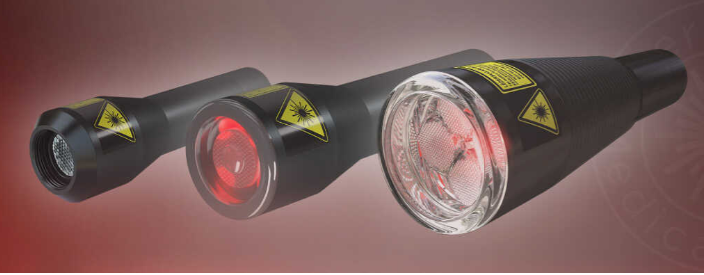
The effectiveness of therapeutic photobiomodulation(PBM) devices, such as the Safe Laser 1800 and 500 is determined by their core parameters. Of these wavelength and power output are the two most crucial. The two devices use the same basic scientific principles however, their distinct strategic features determine their distinct clinical applications and treatment efficiency. The wavelength is the primary element in determining where light energy will be taken up by the body. Power output is, however is the determinant of how fast and how much energy it can deliver. In a detailed comparison, these factors reveal how the Safe Laser 1800 can be used as an effective deep tissue laser in large-volume clinics. It is also the reason the reason why the Safe Laser 500 can be used as a versatile portable device that is designed to be used for the superficial and mid-depth therapy.
1. Primary Wavelength, which is a common base for penetration of deep tissues
Safe Laser 1800, as also Safe Laser 500, use the identical 810 nanometers infrared wavelength length (nm) that is the main therapeutic source. This is a deliberate and scientifically-grounded choice. The 810 nm wavelength resides in the "therapeutic window" (650-950 nm), where light penetration through blood, skin and water is the highest. This particular wavelength has the highest absorbent by cytochromec oxygenase in mitochondria, which triggers photobiomodulation. Both devices utilize the same core mechanism to minimize the pain and inflammation, as well as improve healing in deep tissue (muscles and joints).
2. The Safe Laser 500's Hybrid wavelength system 810 nm + the 660 num
Safe Laser 500's hybrid or "cluster-style" applicator is one of its key attributes. The central diode emits 810 nm light, it's surrounded by a ring SuperLuminous Diodes which emit 660nm light. This wavelength of red light is more readily absorbed by hemoglobin, and other superficial chromophores. The wavelength of 660 nanometers is exceptionally effective for treating conditions that affect the surface, such as skin ulcers, open wounds, acne, and superficial burns. The 500 offers dual-wavelength therapy by simultaneously treating the deep tissues (810 nm) as well as superficial tissues (660 nm).
3. The Safe Laser's 1800 Singular, High Power 810nm Focus
Safe Laser 1800 uses only one 810nm high-power laser with no additional wavelengths. The design philosophy of the Safe Laser 1800 is based on maximizing penetration and concentrated intensity. The wavelength of 810nm is developed to to penetrate deep and dense tissues by concentrating the force of the laser into a single wavelength. This is the most effective tool to reach deep joint capsules and spine of patients who have a greater body weight.
4. Peak Power Output – Order of Magnitude variance
The primary difference between the two is the power output they can reach. The Safe Laser 1800 provides a maximum output of 18 milliwatts (18 milliwatts). Safe Laser 500 provides a peak output 5 Watts. This means that the SL 1800 has more than 3.5 times the raw power of SL 500. This difference does not indicate the effectiveness. It is more a reflection of efficiency and the capability to provide a large amount of therapeutic doses for severe or chronic issues.
5. The impact on clinical efficiency and Time to Treat
The output of power directly influences the duration of treatment. The PBM dose of treatment is calculated with Joules. Safe Laser 1800 with 18W will take just under 5.5 seconds to deliver 100 Joules. Safe Laser 500 would need 20 seconds at 5W to deliver the same dosage. If an approach of 500 Joule is employed, it will take around 28 seconds instead of the 100 seconds. In a busy environment the time savings can be transformative. They allow for more efficient patient rotation and treatment of more extensive areas.
6. Beam Divergence & Coverage of the Treatment Area
The type of light that is released is different. Safe Laser 1800 uses divergent laser beams from its single nozzle of large diameter. This means the beam spreads out as it leaves the applicator, covering an area larger (several centimeters in diameter) on the skin. This treatment is best for large areas of pain or inflammation such as quadriceps muscles or a stretched lat. Safe Laser 500 has a cluster head with a focused application point. This makes it better in focusing on specific structures such as a trigger or tendon. Its 660 nm radius is able to treat the immediate tissue around the region.
7. Coherence in Photon Behavior
Safe Laser 1800 810nm is a genuine, coherent laser. According to theory, coherent light is more effective at penetrating tissue because it scatters less. This phenomenon, known as"superradiance," may be a result of this. This may be the reason for superior penetration of the tissue. The Safe Laser 500’s central diode (810 nm) is also coherent, whereas the 660nm SLDs around it (though they are still monochromatic) are not coherent. Laser light that is not coherent scatters much more and is a good thing for wounds that are superficial as it offers greater uniformity and diffuse coverage.
8. Wavelength and Power dictate clinical indications
The distinctions in their technical characteristics define the ideal clinical applications. Safe Laser 1800 has a powerful beam of 810nm that is perfect for joint disorders that are deep (hip osteoarthritis, spinal facet disease) and deep muscle strains as with chronic, inflamed conditions. The Safe Laser 500's hybrid 810nm/660nm Laser system is great for acute soft tissue injuries (sprains or tendinitis) as well as post-surgical scars, and wound treatment.
9. Dosimetry and Practical Application
The power difference could affect how a doctor approaches doingsing. The main variable of Safe Laser 1800 is the time of exposure for each spot. It is extremely short. The doctor must be on guard to ensure that the device is moved enough to stop over-treatment of a single region because the energy delivery is quick. When using the Safe Laser 500, the longer treatment time per point are more forgiving and often coincide with the device's automated dosage guides (on certain models), which calculate the treatment time depending on the chosen condition and the power setting.
10. Strategic Summary: Power against. the ability to be flexible
In the end, deciding on the power and wavelengths you want is a good strategy. Safe Laser 1800 is an instrument that is pure power, penetration and speed. The 500's versatility in multiple wavelengths was sacrificed in exchange for unbeatable depth and speed. This is the clinical workhorse of choice for those working in demanding environments. The Safe Laser 500 is a tool of versatility and portability, offering a combined-wavelength approach in a compact format, making it ideal for mobile therapists or those focusing on a wider variety of superficial-to-mid-depth conditions. Both are equally powerful however they are also adapted to specific therapeutic areas. See the best bemer matrac for blog examples including lágy lézer otthonra, lézerterápia vélemények, lagy lezer, lágylézer árak, lágylézeres készülék, lágylézeres kezelés, www safelaser hu, lézerfény terápia, safe laser kezelés ára, safe laser 500 vélemények and more.
The 10 Most Frequently Reported Side Effects Or Contraindications Associated With Safe Laser Devices
Although safe Laser devices boast a high safety rating and aren't invasive however, they can also be effective therapeutic tools. They work with human physiological system. To ensure the safety of patients and effectiveness, it's essential to know the contraindications and negative effects. Contraindications, or instances where the device is not used, can cause harm. Although side effects might not be necessarily harmful but they can be unintentional reactions. Responsible practitioners or home users must be able to differentiate the difference between situations requiring the use of caution as well as normal physiological reactions. This knowledge is fundamental to ethical and effective practice in photobiomodulation.
1. Absolute Contraindications for Active Cancer and Malignancy
Lasers should never be applied directly on a tumor or metastasis, whether it is malignant or suspected. The principal theoretical concern is that the effects of photobiomodulation–which increase cellular metabolism, growth and blood flow, could boost the growth of cancerous cells or trigger metastasis. This is a strict prohibition. Palliative care may consider treating cancer-related symptoms like lymphedema or pain, but only if an oncologist oversees the procedure and a laser is used far from the primary tumour and metastatic site.
2. Direct application to the thyroid gland is an indication against.
The thyroid gland exhibits high metabolic activity and is responsive to a variety of stimuli. The application of direct laser energy to the cartilage of the thyroid in the neck's anterior region is strongly contraindicated. It is feared that light energy can influence thyroid hormones, or cause thyroid diseases such as Graves' or thyroiditis. The systemic effects are minimal when treating other body parts, but targeted energy is not recommended.
3. Absolute contraindications – Abdomen in the course of pregnancy
For the sake of safety for fetuses it is absolutely not recommended to use the Safe Laser on a pregnant uterus. Even though the light will only penetrate a few centimeters into the uterus and nothing has been proved, the precautionary rule dictates that non-essential energies not be injected into the developing foetus. This is a precautionary method that can't be violated during any of the trimesters of pregnancy.
4. Ocular Safety and Risk of Retinal Injury
This is the most likely risk of incorrect use. Safe Laser devices emit an invisible wavelength of 810 nm which can be focused on the retina by the lens. It can cause thermal or photochemical injury before the user is aware. Exposure direct, or from the reflective surface, should be avoided. Wearing safety eyewear made of lasers with wavelength specificity by the patient, operator and any other bystanders, is an essential measure to guard against this serious side effect.
5. Relative Contraindications: Photosensitizing Medication
Certain medications can cause people to become more sensitive the light. This is called photosensitivity. Drugs such as certain antibiotics (e.g., tetracyclines), diuretics (e.g., hydrochlorothiazide), and some antipsychotics can cause this reaction. Although the risk associated with UV light is not as high but it's a contraindication. A complete medication review of the patient is recommended. The use of a patch test or a treatment with a lower dosage may be prudent.
6. The "Healing Crisis", "Crisis of Repair",
The temporary exacerbation or worsening symptoms that may occur after an initial treatment are a potential and misunderstood adverse effect. This is known as a "healing crisis" but it's not a sign or damage. It's an intense stimulation of the body's healing and inflammation processes. As circulation improves, and cellular debris begins to be removed, some patients will experience an increase in swelling, pain or stiffness. The swelling will typically subside after 24-48 hours. This is preventable by educating the patient about this possible adverse consequence.
7. Contraindications Relative to Hemorrhage and Coagulation Disorders
The vasodilatory properties of PBM (caused by Nitric Oxide's release) makes it unwise to use the laser on bleeding that is active, or a an acute, large haematoma because it could cause an increase in initial bleeding. For patients suffering from severe hemophilia or who are on high doses, anticoagulant medications are prescribed and should only be prescribed after consultation with a doctor.
8. The lack of sensitivities and the over-treatment Risk
Safe Laser therapy has an exclusive feature it does not cause thermal sensations while applying. The most common reported side effect is essentially "no sensation." This issue can have both positive and negative sides. Without adequate training and dose adherence, a user may mistakenly believe the device is not working and over-treat an area. Over-treatment can lead to the therapeutic effect being diminished due to the biphasic dose response (where excessive energy can hinder the process) and could result in tissue irritation or fatigue.
9. Particular Precautions for Populations of Patients
Certain populations require special consideration. Children and adolescents should avoid applying lasers directly to open epiphyseal growth plates on long bones due in part to the unknown consequences. Patients with pacemakers or other implanted electronic devices even though the non-thermal nature of lasers poses a low risk the standard measure to avoid direct exposure over the device's generator to protect to protect against electromagnetic interference.
10. Skin Reactions Endogenous Photosensitivity
True adverse skin reactions occur in a small amount of cases. It is possible for some individuals to experience transient erythema (redness) because of the increased blood supply. This is a normal reaction and not a harmful result. The light cannot cause an allergic reaction. As with photosensitizing medication Certain endogenous conditions like porphyria and lupus may increase the sensitivity of the body to different wavelengths of light. To determine the cause of these conditions, it is necessary to obtain a complete patient history. View the top BEMER bérlés for more examples including soft laser árak, lézer kezelés vélemények, lágy lézer otthonra, bemer terápia budapest, lézeres kezelés sarkantyúra, lágylézer készülék bérlés, soft laser árak, soft laser terápia, lézeres kezelés székesfehérvár, safe laser bérlés and more.
